


Missing from the ongoing conversation about data centres is one key point: they aren't all the same.
It's time we talked about data centres. As a company that operates in data centres ourselves, we can only refrain from commenting on the headlines for so long.
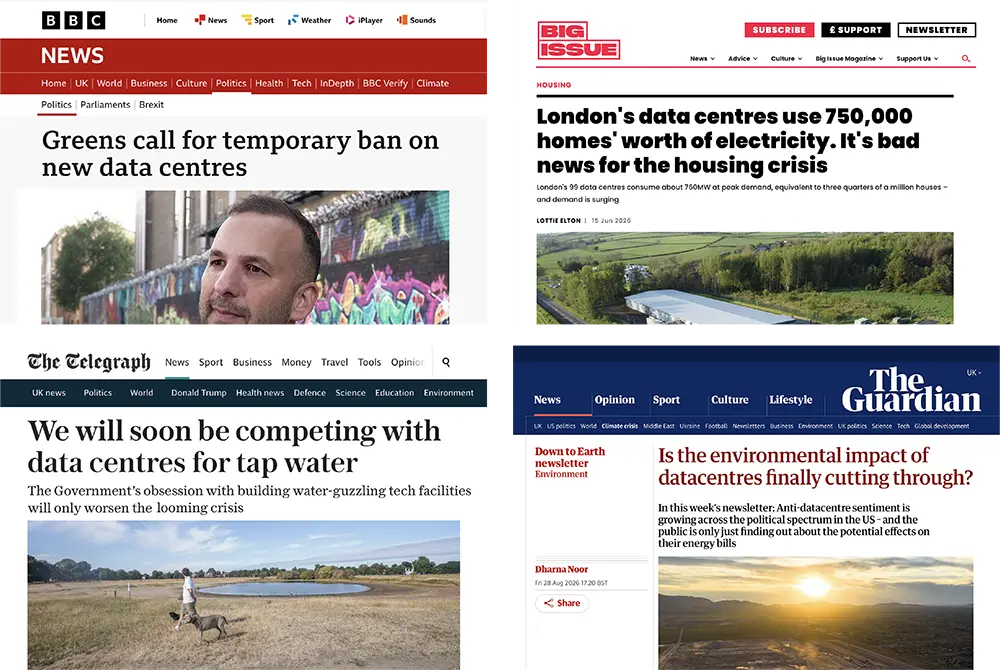
AI has exploded over the last few years, and suddenly it's everywhere. Generative AI has been adopted faster than either the personal computer or the internet, so it's no surprise the companies selling it are investing heavily in the "AI future", whether or not wider society actually wants it. The result is a hockey-stick curve in data centre construction, and a sudden focus on them in the news.
Data centres have existed in some form since the 1950s, when big businesses built rooms to house their mainframes. But the first buildings we'd recognise as modern data centres arrived in the early nineties, just before the internet took off.
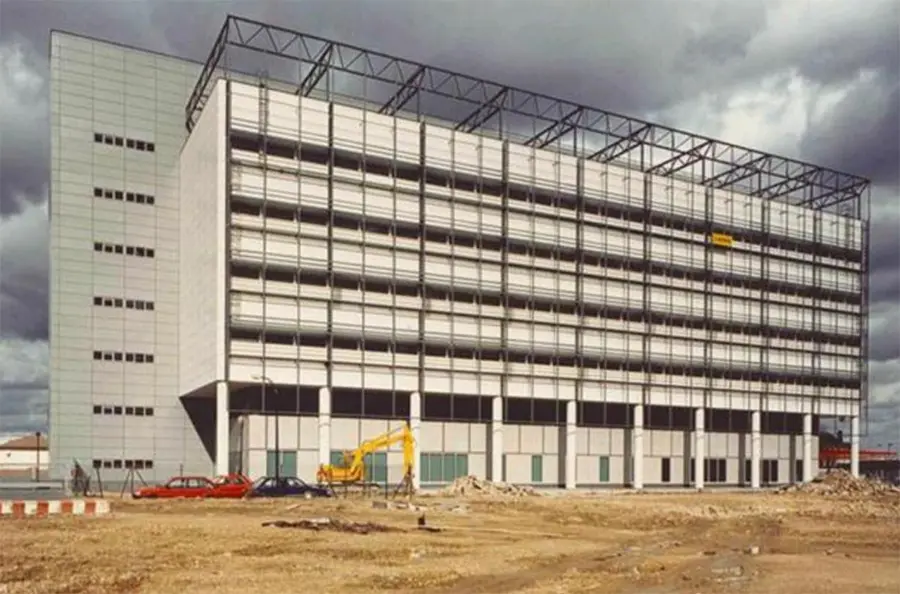
Telehouse opened its Docklands facility in 1990, Europe's first purpose-built carrier-neutral colocation centre, and it became home to the London Internet Exchange (LINX) in 1994. The dot-com boom brought a wave of similar facilities to the surrounding area, letting businesses and internet providers host equipment under one roof and connect to one another easily. It's still one of Europe's densest connectivity hubs, and we've built a strong presence there ourselves over the past 15 years.
You could argue we wouldn't have the internet as we know it without these buildings. They're where websites live, where email is delivered, and where online shopping, entertainment and communication happen. In short, they're where almost all Internet traffic is exchanged between networks. So why the sudden concern?
Traditionally, data centres were used for colocation: hosting your own equipment in a secure, well-connected building with redundant power and cooling to keep it online.
Then came the cloud. Instead of running your own hardware, you paid Amazon, Microsoft or Google to look after your data for you, trading control for convenience. To meet that demand, these companies, known as hyperscalers, began building enormous custom-designed facilities for their own services.
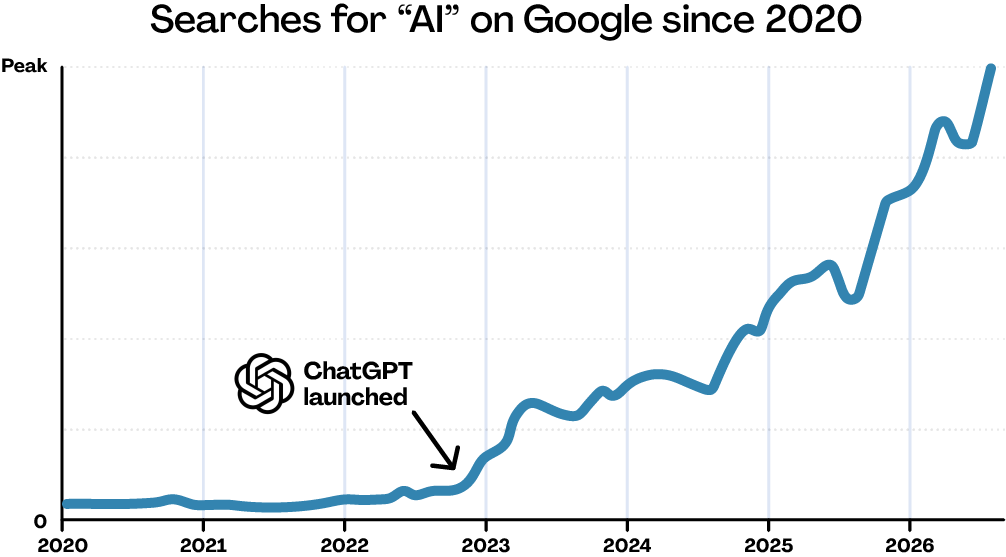
When ChatGPT launched in late 2022, that model went into overdrive. A typical rack in our data centre draws around 4kW. A modern AI rack can draw up to 130kW, over 30 times more. Buildings once measured in kilowatts or a few megawatts are becoming campuses the size of a small town, some approaching a gigawatt.
For perspective, our Docklands facility runs hundreds of racks on around 1MW. A gigawatt site is a thousand times larger: enough to power a city.
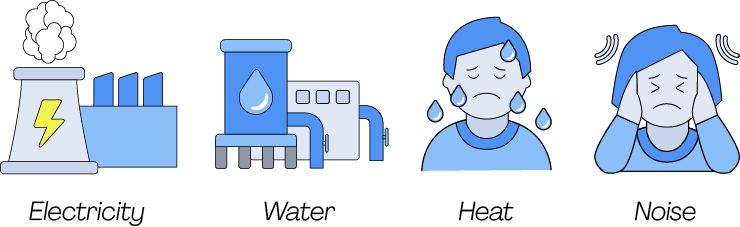
It's this new breed of data centre that has people concerned, but also causes undue concerns over smaller scale operations which are essential. AI hardware runs so hot that many sites rely on liquid cooling and large volumes of water, and the buildings produce significant heat and noise, a common complaint from neighbours who often have little say in the matter. At a time when the world is trying to move to greener energy, hyperscalers are putting intense demands on the infrastructure, to the point where data centre projects waiting for grid connection in Britain now add up to more than the country's entire peak electricity demand.
The fact that not all data centres are the same. Businesses everywhere, including the media companies writing these stories, depend on traditional data centre designs to stay online, and for their viewers and readers to see their headlines.
In fact, many businesses are moving the other way. A 2024 Barclays survey found 86% of CIOs planned to move at least some workloads from the public cloud back to their own infrastructure, driven by cost, performance and control over their data. Only a small minority plan to leave the cloud entirely, but for steady, predictable workloads, running your own hardware in a colocation facility, even single server colocation, often makes more sense.
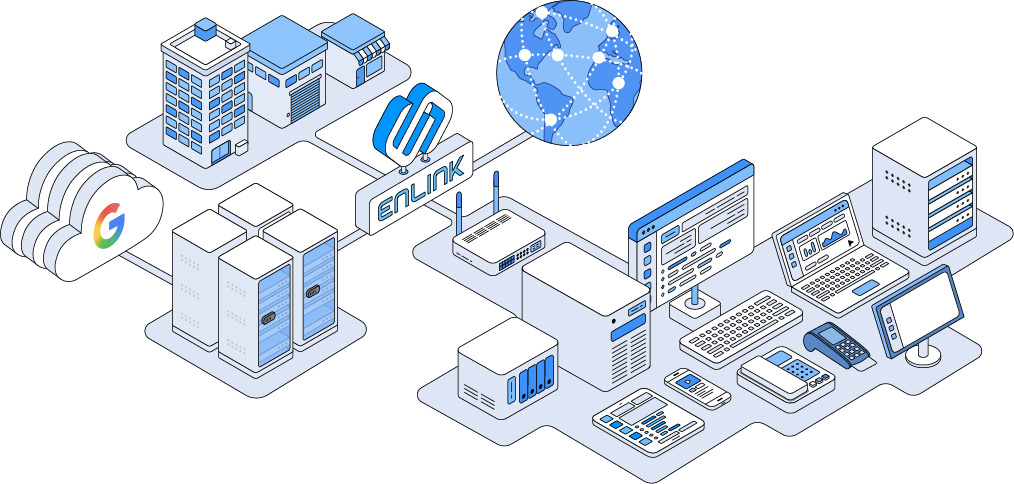
That's where Enlink Networks comes in. We help businesses work out the best way to connect their buildings to the internet with fibre broadband or leased lines, link their sites with a private multi-site network, and host their equipment and data in secure, resilient facilities.
So next time you hear someone talk about data centres, ask which kind they mean. They're not all the same. Not even close.
To find out more about how we can help your business, visit our data centre services page.
